



Menopause is a natural stage of life, but myths and misinformation often leave women feeling like their bodies are betraying them. At SweetSpot Labs, we’re here to set the record straight. Let’s break down the biggest misconceptions about menopause and show you how modern treatments can help you thrive.


Not all estrogen creams are created equal.If you’ve started looking into vaginal estrogen, you’ve probably noticed something quickly: there area lot of options — and even more confusion. Different formulas. Different strengths. Different ingredients. And very different experiences.Understanding what actually matters can help you feel more confident in choosing a vaginal estrogen option that supports your body gently and effectively.


This past week, the FDA took an important step in women's health. By approving a new treatment option for low sexual desire that includes women in perimenopause and menopause, regulators acknowledged what millions of women have long felt but rarely heard — the menopausal transition doesn’t mean the end of desire, intimacy, or pleasure.


Vaginal dryness might not be something people openly talk about, but it’s a very common—and often distressing—symptom during perimenopause and after menopause.


For the first time in more than 20 years, theFDA is officially rewriting the story around hormone therapy. After a July 2025 expert review and thousands of public comments, the agency has announced the removal of long-standing boxed warnings from many hormone therapy products - including estrogen-only, progestogen-only, and combination therapies.
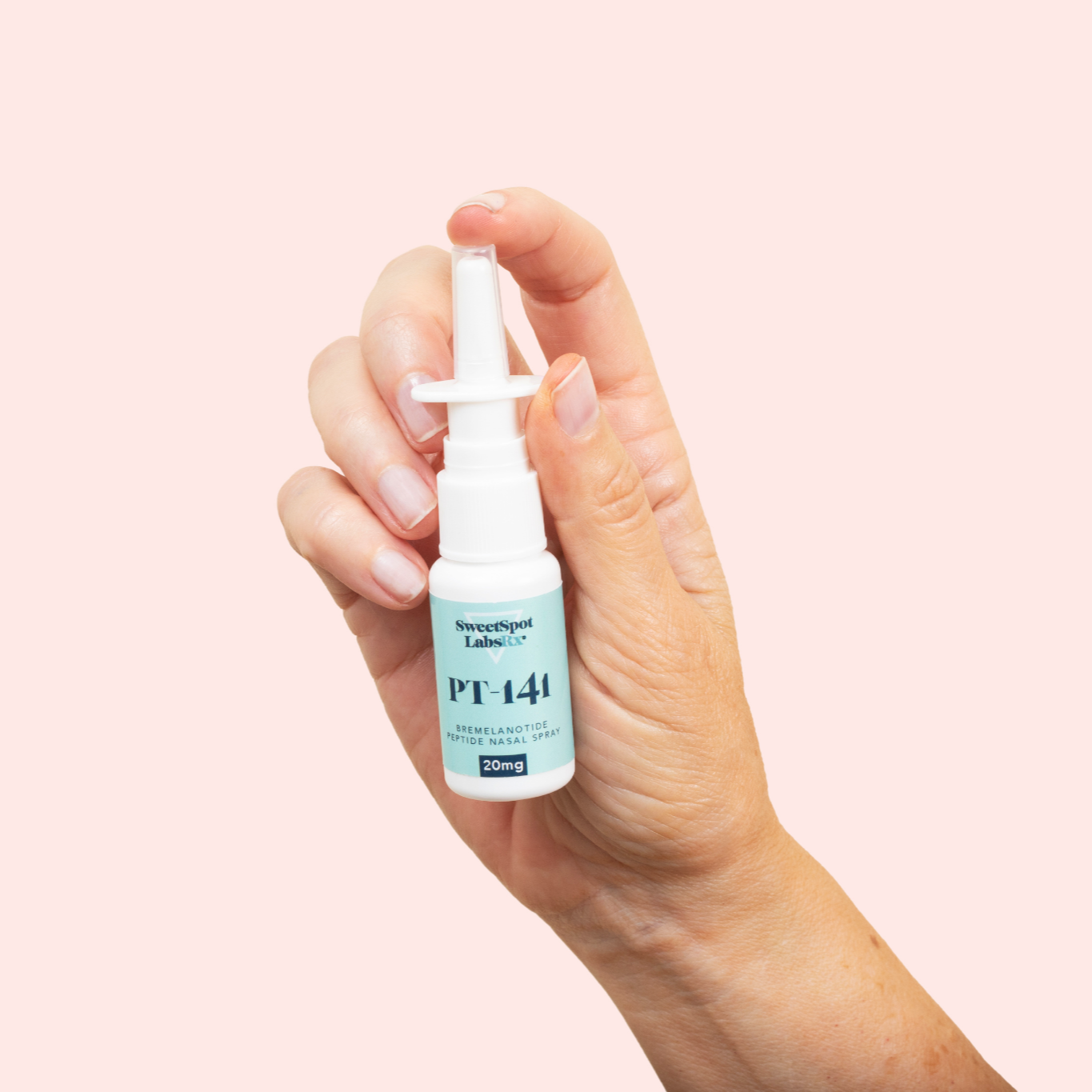

Menopause marks a significant transition in a woman’s life, often bringing changes that affect more than just physical health. For many, a decline in sexual desire becomes a challenge, with nearly 35% of women reporting low libido as a serious concern, according to Dr. Marisa Messore, GYN.


If your sex drive has taken a back seat lately, you’re not alone. Stress, hormonal shifts, life changes, and even certain medications can all impact libido - and sometimes, it takes more than lifestyle changes to get that spark back.


Long-term relationships are built on love and connection, but over time, the spark of desire can fade, leaving couples feeling disconnected. Low libido affects nearly 35% of women at some point, often influenced by relationship dynamics, as noted by Dr. Marisa Messore, GYN.


Low sex drive, or hypoactive sexual desire disorder (HSDD), is a reality for nearly 35% of women at some point, often bringing feelings of frustration or disconnection. Whether it’s due to hormonal changes, stress, or life transitions, a persistent lack of sexual desire can impact relationships and confidence.